
How Do Outdoor Plastic Sheds Stand Up to Intense UV Exposure?
May 20, 2026
Total Overview: UV Resistance Depends on Three Factors
In general, an outdoor plastic shed's ability to withstand intense UV exposure comes down to three things: the type of raw material, the UV stabilization technology used, and the wall thickness of the panels. A low-quality shed can fail in less than a year, while a properly engineered shed can last 10+ years under the same sun.
On one hand, low-quality plastic sheds are made from recycled plastics or polypropylene (PP) with high levels of calcium carbonate filler. These materials have little to no UV stabilization. Within 6 to 12 months of direct sunlight exposure, they will begin to show clear signs of UV damage: the surface becomes chalky or powdery to the touch, colors fade unevenly, and the plastic turns brittle. Eventually, the panels crack or shatter when touched or hit by wind-blown debris. These sheds are essentially disposable under intense sun.
On the other hand, high-quality plastic sheds - like those manufactured by Sunshine Garden - use virgin high-density polyethylene (HDPE) with advanced UV inhibitor packages. HDPE is naturally more UV-resistant than PP or recycled blends. But more importantly, we add specialized stabilizers (such as Hindered Amine Light Stabilizers or HALS) during the extrusion process. These additives absorb or reflect UV radiation before it can break down the polymer chains. The result: the shed maintains its structural integrity and color for many years. Even after 5+ years of continuous outdoor exposure, the plastic remains flexible and impact-resistant, not brittle or chalky.
In addition to material and additives, wall thickness plays a critical role. Thin-walled sheds (under 1.5mm) have less material to sacrifice as UV slowly degrades the outer surface. Thicker panels - 2mm to 3mm with double-wall construction - provide a larger margin of safety. Even if the outermost microscopic layer eventually weathers, the core of the panel retains its strength. This is why Sunshine Garden uses thickened, ribbed wall designs for all our resin storage sheds.
The timeline of UV damage is dramatically different depending on the quality of the shed. For customers in sunny climates, choosing a shed made from virgin HDPE with UV inhibitors and adequate wall thickness is not an expense - it is an investment in longevity and peace of mind.
Bonus: 3 Ways to Extend the UV Life of Any Plastic Shed
Even with a high-quality shed, a little care goes a long way.
- Apply a UV protectant spray annually. Products designed for outdoor plastics (like 303 Aerospace Protectant) add an extra sacrificial layer that blocks UV rays. One application per year is usually enough.
- Position the shed wisely. If possible, place the shed where it receives partial shade during the harshest afternoon sun (e.g., on the north side of a garage or under a large tree).
- Keep it clean. Dirt and grime can trap heat and accelerate surface degradation. A simple wash with mild soap and water once a year removes abrasive particles and keeps the UV inhibitors working effectively.
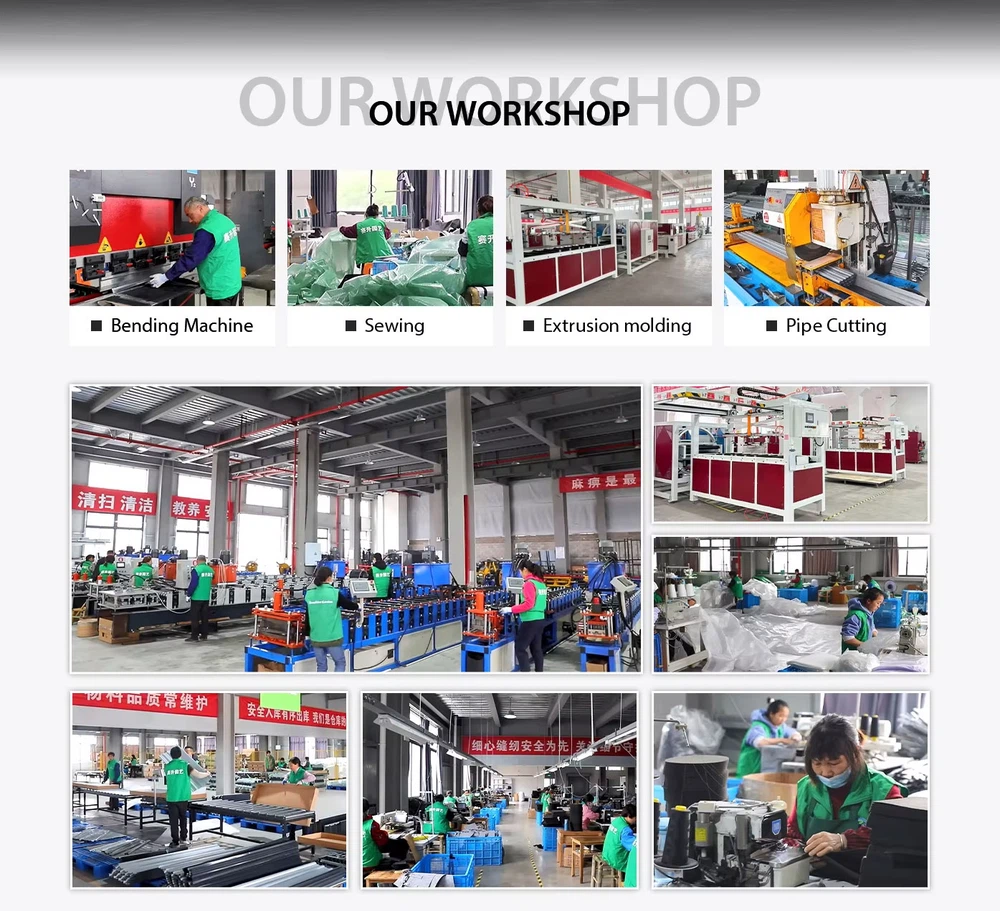
For OEM/ODM inquiries, UV test reports, or bulk pricing on resin storage sheds, please contact the Sunshine Garden sales team.