

Your Professional Polytunnel Garden Greenhouses Manufacturer!
SUNSHINE GARDEN is a manufacturer from China with 12 years OEM & ODM experience. We are dedicated to providing one-stop products and solutions for Home Garden and Commercial Planting. Our main products can be divided into two series, including Home Gardening Series like garden greenhouses, grow tent complete kits, fabric grow bags & beds, garden compost supplies, etc., another series is Commercial Planting Series like grow racks & rolling benches, led grow lights, greenhouse structure and the whole supporting facility system.
One-stop Solution
With rich experiences in manufacturing and strong power in the industry supply chaine, we helped a lot of gardening clients creating their own brand and we can also provide one-stop solutions for greenhouse grow.
Global Shipping
Our products are exported to more than 20 countries including America, Canada, UK, Germany, France and Japan, with a good reputation in the market.

Custom Service
We support product customization services, you can talk to our customer service center about your sourcing requirements, whether selecting a current product from our catalog or seeking assistance for your application.
Quality Control
Our factories are supervised carefully, there are strict quality assurance test and lab test and multiple inspections.
What are Polytunnel Garden Greenhouses?
Polytunnel garden greenhouses are a type of agricultural structure that can be used to grow your crops or fruits in a controlled environment. They consist of a series of connected tunnels that are often covered by using plastic or metal sheets to help protect crops from the damaging elements. They contain glass panels or polycarbonate plastic panels set in a metal frame to focus sunlight. Polytunnels can be used to grow a variety of crops, including vegetables, fruits, and flowers.
-
![Polytunnel Garden Greenhouse]() Add to Inquiry
-
![Hot Selling Tunnel Greenhouse For Plants]()
Hot Selling Tunnel Greenhouse For Plants
Add to Inquiry -
![Sloped Top High Tunnel Greenhouse For Sale]()
Sloped Top High Tunnel Greenhouse For Sale
Add to Inquiry -
![Tunnel Greenhouse Small Greenhouses For Sale]()
Tunnel Greenhouse Small Greenhouses For Sale
Add to Inquiry -
![Outdoor Greenhouse Mini Garden Green House]()
Outdoor Greenhouse Mini Garden Green House
Add to Inquiry -
![Plant Growth Greenhouse Tunnel Greenhouse]()
Plant Growth Greenhouse Tunnel Greenhouse
Add to Inquiry -
![3x2x2 Polytunnel Greenhouse]() Add to Inquiry
-
![6x2x2 Polytunnel Greenhouse for Sale]()
6x2x2 Polytunnel Greenhouse for Sale
Add to Inquiry -
![4x2.5x2 Polytunnel Greenhouse]() Add to Inquiry
-
![3x3x2 Polytunnel Greenhouse]() Add to Inquiry
-
![4x3x2 Polytunnel Greenhouse]() Add to Inquiry
-
![6x3x2 Polytunnel Greenhouse]() Add to Inquiry


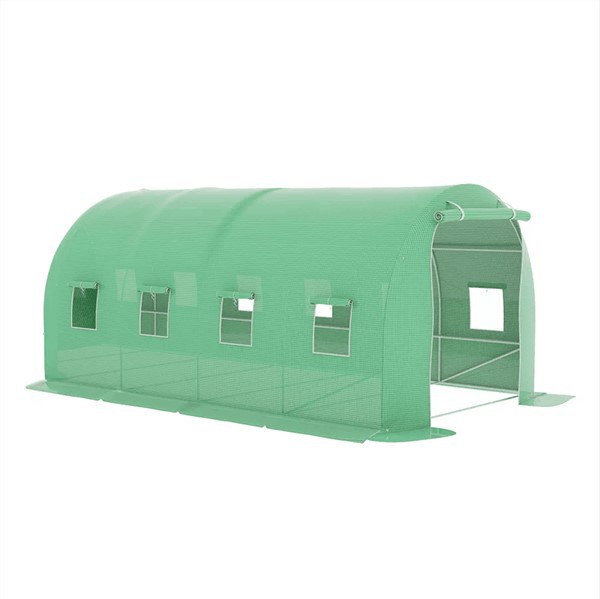


The Benefits of Polytunnel Garden Greenhouses
Less Expensive
One of the best advantage of a polytunnel is that it’s cost effective. Almost the same price of a small greenhouse, it is easy and possible to build a polytunnel of four or five time bigger the size, therefore giving you more flexibility to develop many more crops. Polytunnels are also portable than greenhouses and can be easily moved around the garden even you have more options than greenhouses.
Growing Crops
No problem what the weather is like outside, using a polytunnel you can be sure of a safe and effective growing environment that helps your crops flourish in every season. In spring it will provide the idyllic growth environment, due to high level of sunlight absorption that means an ideal growing temperature that reached up to six weeks ahead of open garden planting.
Easy To Construct
Polytunnel is much easier to construct then greenhouses. It does everything that a greenhouse does for your garden. You don’t need to prepare a base so you can create your polytunnel within minutes.
Best Choice For Plants And Vegetables
Polytunnels have now become a first and the best choice for seasoned gardeners. Most of the award-winning flowers and plants have been cultivated under a polytunnel and still continue to become more and more advanced with today’s modern gardening crowd.

Polytunnel garden greenhouses are a type of greenhouse that are used to grow plants in a controlled environment. They are made of a series of plastic or metal tubes that are hinged along one side and can be opened and closed to allow the sun and air into the tunnel while keeping the plants warm.
Choosing Polytunnel Garden Greenhouses
Tunnel Size
The tunnel's size is an important consideration when choosing a polytunnel.The size of the tunnel will affect the number of plants you can grow in it, the amount of space required for each plant, and the amount of time required to grow to produce.
A small polytunnel can generate enough produce for one person, while a large polytunnel can offer enough produce for several people. Additionally, a polytunnel can be customized to grow a certain type of product, such as cucumbers or tomatoes. Also polytunnels are easily expandable, which makes them the best option for growing edible plants.
Polytunnel Orientation
Choosing the right polytunnel orientation is an important factor when constructing a polytunnel. The orientation will affect the how the tunnel will be constructed , how the tunnel will be used, and the cost of the project. It is important to consider the following things when choosing a polytunnel orientation:
a) The direction of wind
b) The location of obstacles (buildings, trees, etc.)
There are also a number of factors to consider when choosing an orientation, including whether you want the sun or shade on your plants, access to light during winter, and how windy the area is.
Polytunnels Access and Doorways
When choosing a polytunnel, it is important to consider the access and doorways. Polytunnels are typically built on a slope or a hill, so you will need to take into account the location of your doorway and access points.
A polytunnel with easy access from in and out will be more useful than the one that is difficult to enter or exit. Additionally, think about the size of your doorway and how much traffic inflow/outflow you will need.
Irrigation in Polytunnels
When deciding whether to build a polytunnel, irrigation is an important consideration.
Not only does it help keep plants hydrated, but it also helps to regulate temperature and humidity. Polytunnels are effective at growing produce, but water usage can be high if not managed properly.
Proper irrigation can help reduce water use by up to 50%, and can also improve yields. There are several types of irrigation systems that can be used with polytunnels.The best option for your farm depends on the characteristics of your plot and the type of produce you are growing.
Seasonal Checklists for Polytunnel Garden Greenhouses Maintenance
Spring Polytunnel Care
1. Inspect and Repair Covering Materials:
Check the polythene cover for any signs of damage, such as tears or holes.
Securely reattach any loose covers and replace damaged sections promptly.
Clean the covers to remove accumulated dirt and debris.
2.Ventilation System Check:
Ensure that the ventilation systems, such as side vents and roll-up sides, are functioning correctly.
Lubricate moving parts to prevent stiffness.
3. Pest and Disease Prevention:
Implement a proactive pest management plan, including the use of beneficial insects or crop rotation.
Monitor for signs of diseases and take preventive measures.
Summer Polytunnel Care
1. Regular Watering and Irrigation:
Establish a consistent watering schedule to maintain optimal soil moisture level for that seasons crops.
Check the irrigation system for clogs and leaks.
2. Temperature Control:
Monitor and regulate internal temperatures, especially during heatwaves.
Install shade cloth if necessary to prevent excessive heat buildup or install fans to improve air flow.
3. Weed Management:
Regularly weed both inside and around the polytunnel to prevent competition for plants and reduce pest habitat.
Autumn Polytunnel Care
1. Harvest and Clear:
Harvest remaining crops and clear out plant debris to reduce the risk of pests and diseases overwintering.
Clean and sanitize tools, equipment, and surfaces.
2. Structural Inspection:
Check the structural integrity of the polytunnel frame.
Repair any damage promptly to prevent further issues during winter storms.
Winter Polytunnel Care
1. Snow and Ice Management:
Remove heavy snow loads promptly to prevent structural damage.
Check for ice buildup and ensure proper drainage to prevent waterlogging.
2. Winter Crop Planning:
Consider growing cold-tolerant crops during the winter months.
Insulate the polytunnel if necessary to provide additional protection.
Sunshine Garden has been engaged in offering polytunnel garden greenhouses wholesale service for over 10 years, and now is known as one of the professional polytunnel garden greenhouses manufacturers and suppliers in China. Please rest assured to get the quality garden grow products made in China from our factory.
